View product
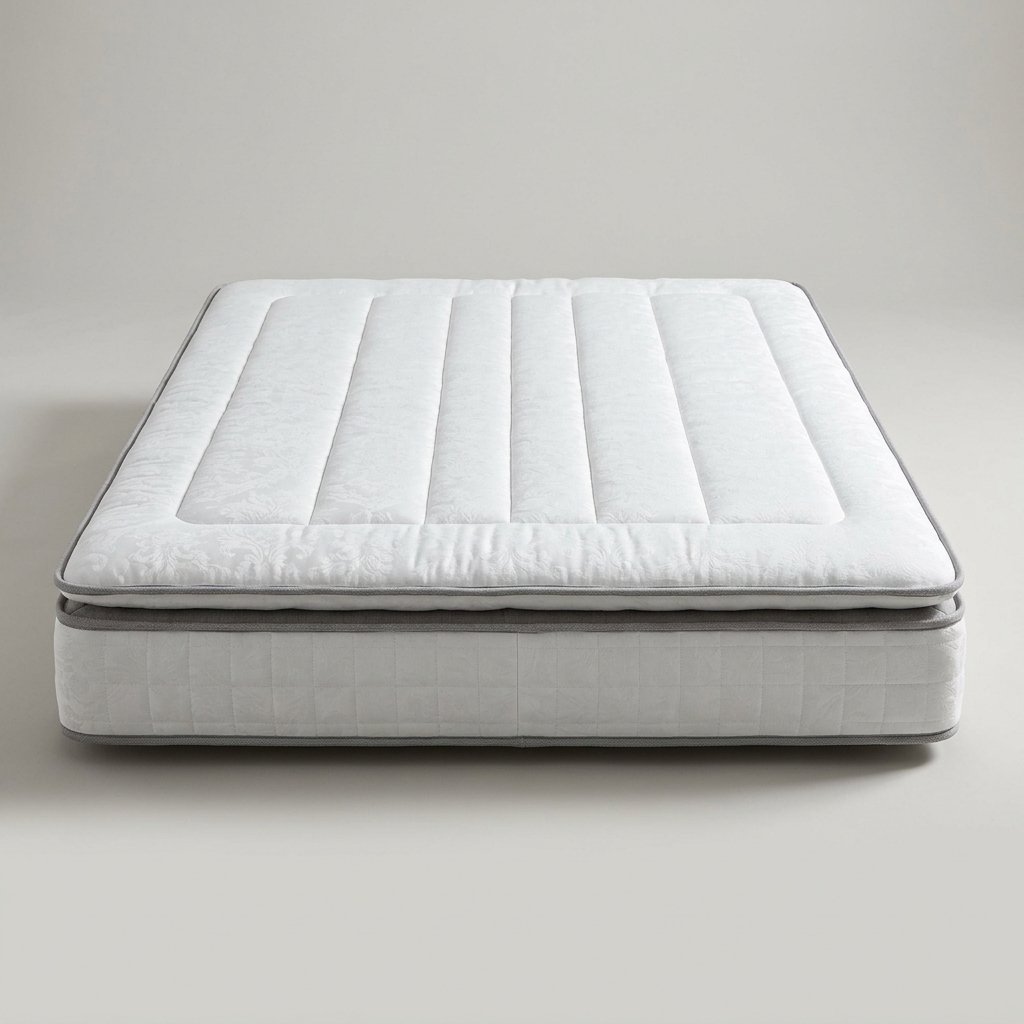
Ortho Elite 2000 Mattress
Dual-layer orthopaedic construction with a comfort foam topper — firm support without sacrificing surface softness.
View productExpert Guidance
Choosing a mattress is one of the most important decisions you will make for your health and wellbeing. This guide explains everything you need to know — from spring counts to sleep positions — so you can buy with confidence.
View product
Dual-layer orthopaedic construction with a comfort foam topper — firm support without sacrificing surface softness.
View product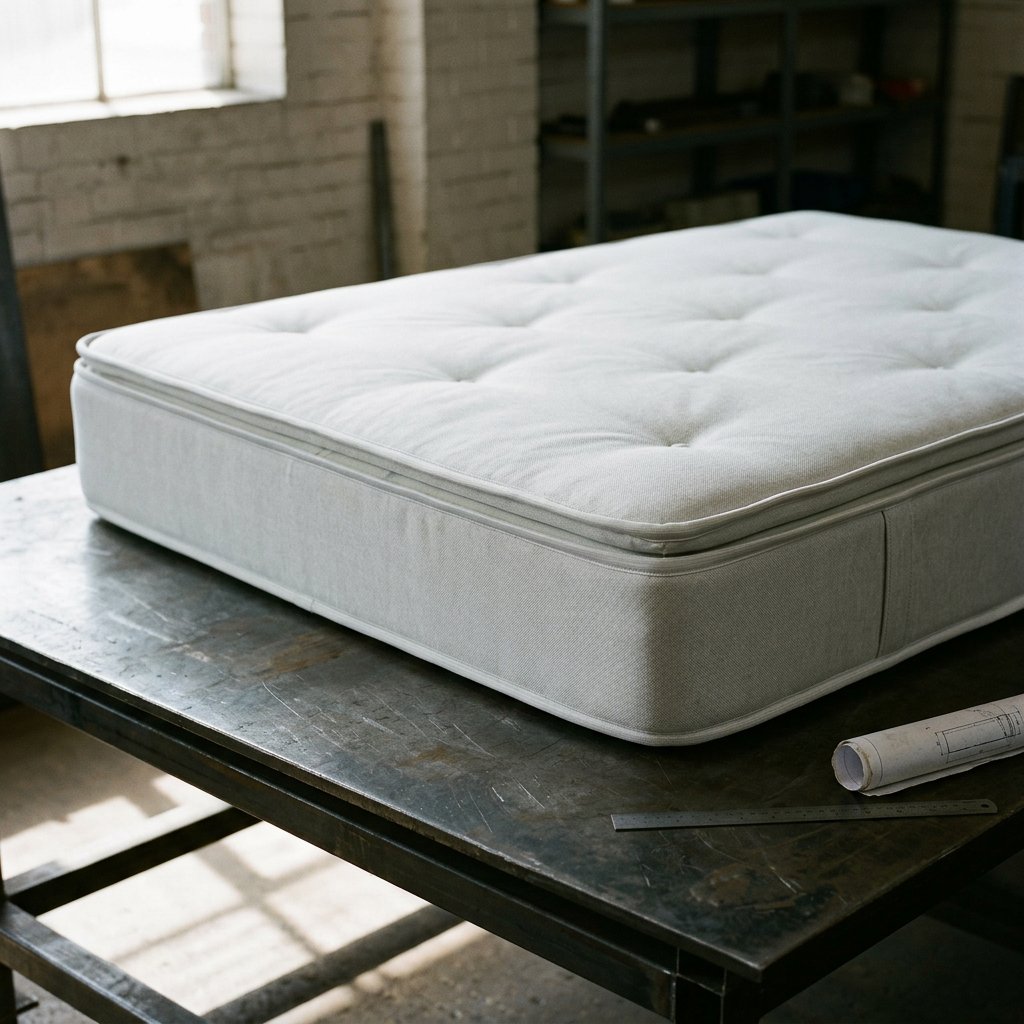
View product
A medium-firm orthopaedic mattress with a memory foam comfort layer — supportive, pressure-relieving, and temperature-neutral.
View productOrthopaedic mattresses are built around a high-density foam core designed to provide firm, consistent support across the entire sleep surface. The term orthopaedic refers to the mattress's ability to support proper spinal alignment — keeping your spine in a neutral position throughout the night. These mattresses are particularly well-suited to back sleepers, stomach sleepers, and anyone who experiences lower back discomfort.
Pocket spring mattresses use a system of individually encased coil springs, each of which moves independently in response to body weight and pressure. This independent movement means the mattress contours to your body shape rather than responding to the whole surface at once. The result is better pressure relief at the hips and shoulders, reduced partner disturbance, and a more responsive, bouncy feel that many sleepers prefer.
Both types can deliver excellent sleep quality — the right choice depends on your sleep position, body type, and personal preference for firmness and feel. Some of our models combine both technologies: the Pocket Memory Hybrid, for example, pairs 1500 pocket springs with a 60 mm open-cell memory foam layer, giving you the responsive bounce of springs alongside the pressure-relieving contouring of foam.
If you are still unsure after reading this guide, our Sheffield team is happy to advise. Call us on +447856 364853 or email [email protected] and we will help you find the right mattress for your sleep style and budget.
Your preferred sleep position is one of the most reliable guides to the right mattress type and tension.
Back sleepers need a mattress that supports the natural curve of the lumbar spine without allowing the hips to sink too deeply. A firm or medium-firm orthopaedic mattress, or a high-spring-count pocket spring in firm tension, works well. Our Ortho Firm 1000 and Pocket 2000 Firm are strong choices.
Side sleepers put more pressure on the hips and shoulders, which need to sink slightly into the mattress for the spine to remain straight. A medium-tension pocket spring or a dual-layer orthopaedic mattress with a comfort foam topper provides the right balance. The Ortho Duo Comfort and Pocket 1000 Medium are well-suited to side sleepers.
Stomach sleeping puts the most strain on the lower back, so a firm, flat mattress is essential to prevent the hips from sinking and the spine from arching. A firm orthopaedic mattress is the best choice. The Ortho Firm 1000 is specifically designed for this sleep position.
If you move between positions during the night, a medium-tension pocket spring or a hybrid mattress offers the versatility to support multiple positions. The Pocket Memory Hybrid and Pocket 1000 Medium are both excellent choices for combination sleepers.
The spring count refers to the number of individually encased coil springs in a standard double (135x190 cm) mattress. A higher spring count generally means smaller, more precise springs that respond to finer body contours. Our range runs from 1000 springs (versatile, medium feel) to 3000 springs (precise, luxurious contouring). Higher counts also tend to reduce motion transfer between sleeping partners.
Firmness is partly personal preference and partly determined by your sleep position and body weight. As a general guide: back and stomach sleepers benefit from firm or medium-firm mattresses; side sleepers usually prefer medium or medium-soft; heavier builds typically need a firmer mattress to prevent excessive sinking. If you are unsure, our Sheffield team can advise based on your specific situation.
A well-made mattress should last 8–10 years with proper care. Rotating your mattress head-to-foot every three months (for non-turn models) helps distribute wear evenly. Our premium models come with comfort guarantees of up to 7 years, reflecting our confidence in their long-term performance.
Pocket spring mattresses are compatible with most standard UK bed bases, including slatted frames, divan bases, and platform tops. For slatted bases, we recommend slats no more than 7 cm apart to provide adequate support. Adjustable bases are also compatible with most of our pocket spring range.
A non-turn mattress is designed to be used on one side only — it should not be flipped over. This is because the comfort layers are built into the top surface only. Non-turn mattresses should still be rotated head-to-foot every three months to ensure even wear. All of our non-turn models are clearly labelled in their product descriptions.
Yes, and we strongly recommend it. A good quality mattress protector guards against spills, sweat, and allergens, keeping the mattress hygienic and extending its lifespan. It also helps protect any comfort guarantee that applies to your mattress.
Yes. Our Ortho Slim Roll is specifically designed for bunk beds and cabin beds and is a popular choice for children's rooms. The hypoallergenic, machine-washable cover makes it especially practical for families. For older children and teenagers, any mattress in our standard range is suitable.
Common signs that a mattress needs replacing include visible sagging or indentations, waking up with stiffness or discomfort that eases during the day, increased partner disturbance, or a mattress that is more than 8–10 years old. If you are unsure, contact our team for advice.
A few simple habits will significantly extend the life and performance of your mattress.
A good quality mattress protector guards against spills, sweat, and allergens, keeping the mattress hygienic and extending its lifespan. It also protects your warranty or comfort guarantee.
Rotate your mattress head-to-foot every three months for the first year, then every six months thereafter. This distributes body weight evenly and prevents premature wear in one area.
Pull back the duvet for 20–30 minutes each morning before making the bed. This allows moisture from the night to evaporate, keeping the mattress fresh and reducing the risk of mould or mildew.
Ensure your bed base provides adequate, even support. Broken or widely spaced slats can cause a mattress to sag prematurely, voiding any comfort guarantee. Check your base annually.
Browse the full Cici Beds range online, or call our Sheffield team on +447856 364853 for personalised advice. We are here to help you find the right mattress for your sleep style and budget.
Related products
A few catalogue examples that connect the guidance, process, or service topic to the actual storefront.
A medium-firm orthopaedic mattress with a memory foam comfort layer — supportive, pressure-relieving, and temperature-neutral.
From £299.00
View product
Dual-layer orthopaedic construction with a comfort foam topper — firm support without sacrificing surface softness.
From £259.00
View product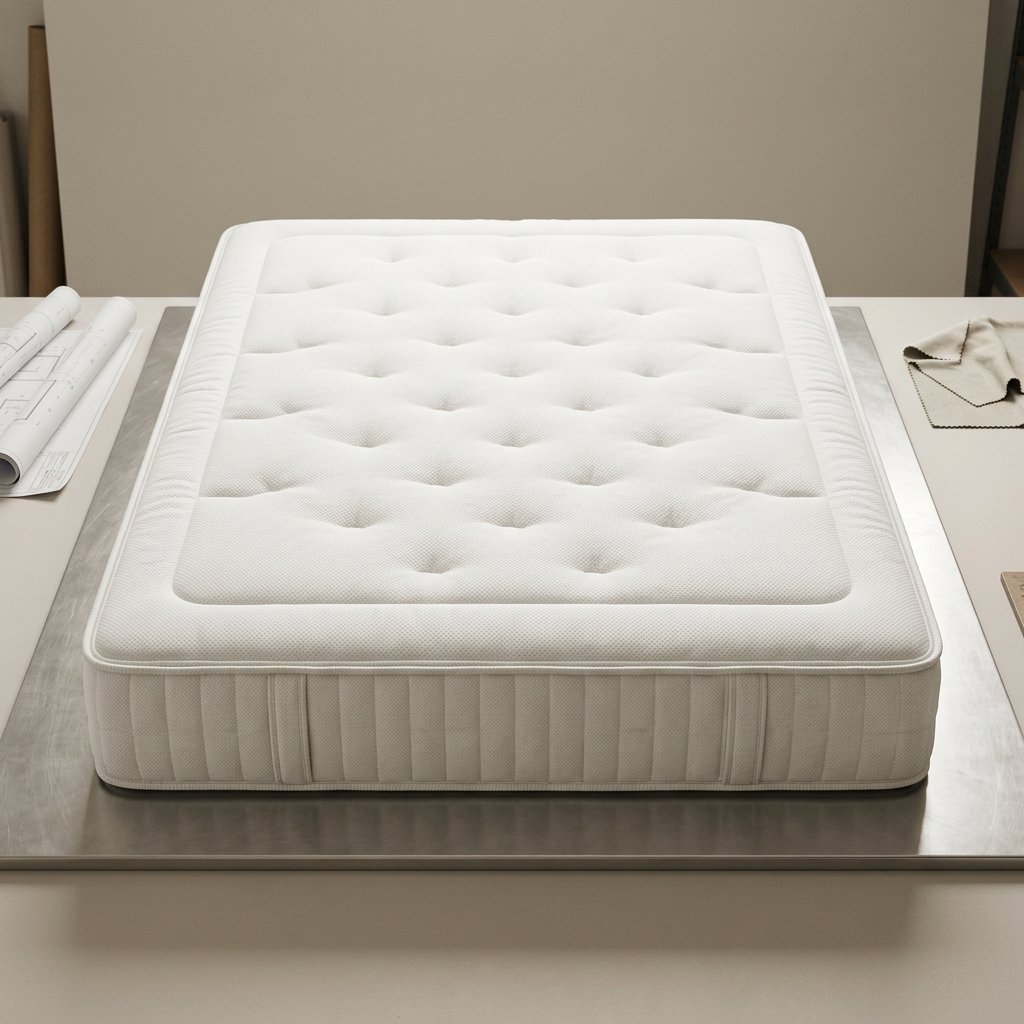
1500 pocket springs fused with a memory foam comfort layer — the responsive bounce of springs with the contouring of memory foam.
From £479.00
View productBasket
0 items in cart
Your cart is saved in this browser until you clear it. Need help now? Contact us on +447856 364853.